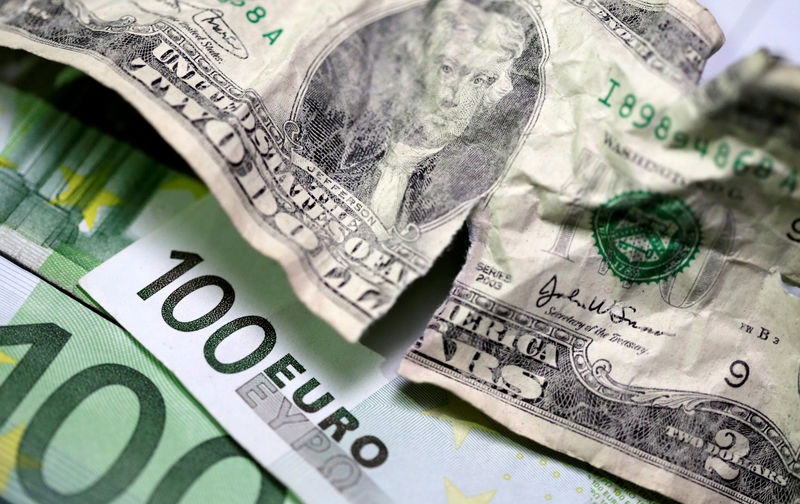
The U.S. dollar slipped slightly lower Monday as traders monitored the ongoing Israel-Iran conflict, at the start of a week that includes a number of central bank policy-setting meetings, including the Federal Reserve.
At 04:15 ET (08:15 GMT), the Dollar Index, which tracks the greenback against a basket of six other currencies, fell 0.2% to 97.540, handing back some of the gains of the past few sessions.
Dollar bounce recedes The dollar gained at the end of last week as traders sought out safe havens after the Israeli strike on Iran, while oil prices soared.
However, while the two sides have continued to exchange missile strikes, concerns about other countries being dragged into a broader regional conflict have receded, while Iran has kept the vital Strait of Hormuz open to global shipping. This has seen the dollar’s bounce begin to unwind.
“That is once again the symptom of the market’s distrust in the dollar at the moment, so even a clear-cut dollar positive event like an oil price shock mixed with geopolitical tensions fails to discourage the methodical USD-short building we have observed in the past couple of months every time the dollar was attempting a recovery,” said analysts at ING, in a note.
These geopolitical tensions, and associated oil price gains, were the latest twist for central bank policymakers to work though, with the Federal Reserve widely expected to stand pat at the conclusion of its latest two-day meeting on Wednesday.
3rd party Ad. Not an offer or recommendation by Investing.com. See disclosure here or remove ads. The U.S. central bank has maintained its fed funds rate at 4.25%-4.50% since it last eased in December.
“The Fed … can now use energy market volatility as an argument to fend off U.S. President Donald Trump’s calls for rate cuts while it assesses the depth of the tariff impact on inflation,” ING added.
Investors will also be looking for progress towards trade deals on the sidelines of a Group of Seven leaders meeting in Canada this week, with the U.S. dollar having lost more than 9% this year as investors remain nervous over Trump’s deadline on trade deals due in about three weeks.
Euro grows in popularity In Europe, EUR/USD traded 0.2% higher to 1.1578, with the single currency retaining its preferred status, having recorded gains of over 11% so far this year.
This strength has sparked speculation that it could challenge the U.S. dollar’s dominant status, but European Central Bank Vice President Luis de Guindos dismissed the possibility in the short term.
GBP/USD gained 0.1% to 1.3585 ahead of the Bank of England’s latest policy-setting meeting, which concludes on Thursday.
The U.K. central bank is widely expected to keep rates on hold, following its 25 basis point cut in May, as the policymakers have to cope with a contraction of economic growth last month and deteriorating employment figures, but still elevated inflation.
Elsewhere, the Norges Bank is also expected to keep rates unchanged later in the week, while Sweden’s Riksbank is likely to cut rates, and the Swiss National Bank could return to negative rates given the strength of the franc.