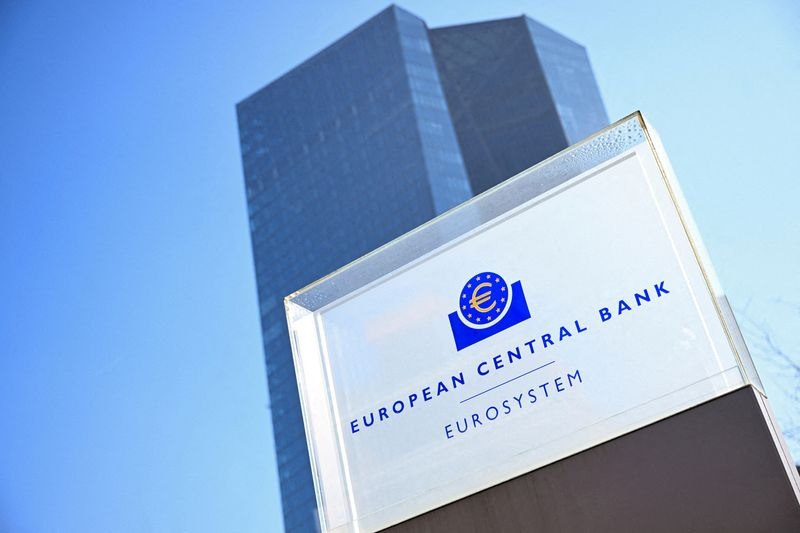
Isabel Schnabel, a member of the European Central Bank's governing council, warned that the ongoing decline in interest rates could expose the European economy to greater inflationary risks in the future, indicating that it is time to maintain borrowing costs at their current levels. This came during her speech at a conference at Stanford University, where she called for a more cautious approach to managing monetary policy.
Schnabel explained that the global economy is facing increasing inflationary pressures due to a range of factors, including disruptions in supply chains, rising government spending, and the repercussions of U.S. trade policies. She said, "Now is the time for steadiness. The appropriate action is to keep interest rates close to their current level - that is, in a completely neutral zone."
While financial markets are expecting a significant cut in interest rates in the coming months (with the likelihood of a cut in June reaching 90%), Schnabel opposes this trend, noting that already low interest rates provide sufficient support for growth without the need for additional monetary easing. She added that continued cuts to interest rates could exacerbate medium-term inflation risks, especially with Germany's commitment to increase spending on defense and infrastructure.
Schnabel also warned that U.S. trade policies, including tariffs, could contribute to rising production costs in the medium term, which would amplify inflationary pressures. She affirmed that these tariffs could transmit through global value chains, adding inflationary pressures even without a European response.
Furthermore, Schnabel emphasized in her statements that maintaining steadiness in monetary policy can provide a safeguard against a wide range of unpredictable economic scenarios, noting that this approach could be more effective in confronting future shocks.
It is worth mentioning that as the European Central Bank's next meeting approaches on June 5, policymakers face a complex choice between supporting economic growth and mitigating inflation risks. As markets continue to price in further cuts, Schnabel's stance seems to challenge these expectations, placing the European Central Bank in a position of critical decision-making in the coming months.